
Anthropic eyes IPO and may hit the stock market before OpenAI
 by Théo Carvalho
4 min read
by Théo Carvalho
4 min read
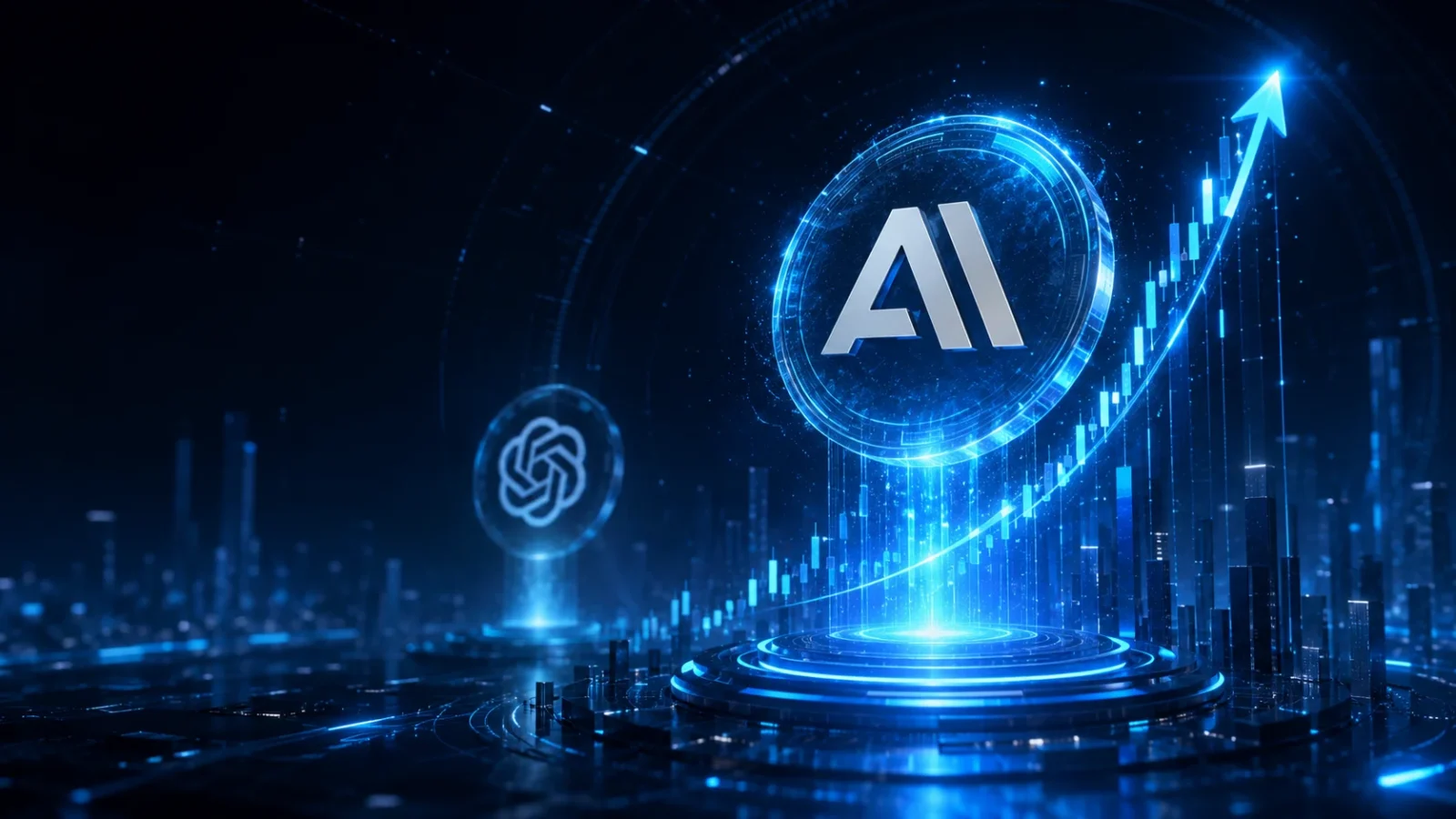
Anthropic, the company behind Claude, took an important step toward the financial market: it confidentially filed for an IPO in the United States. The move puts the company in position to reach the stock market before OpenAI, its main rival in the generative AI race.
It is one of those moments that show the AI war is not only about models. It is also about investors, billion-dollar valuations and the fight over who will set the price of the next generation of tech companies.
Quick answer: what happened?
Anthropic made a confidential IPO filing in the United States. That means the company formally started the process to go public, but without yet publicly disclosing details such as price, number of shares or debut date.
Why does it matter?
Because Anthropic has become one of the most important companies in the AI race. Claude competes directly with ChatGPT, Gemini and other advanced models. The company also gained strength with Claude Code, a tool for agentic programming.
It comes off a huge funding round and reached a valuation near the trillion-dollar mark, a level that rivals (and at times surpasses) OpenAI itself. If Anthropic reaches the market first, it could be the first major public benchmark for how the market values a frontier generative AI company.
In other words: investors will look at Anthropic and try to answer a huge question — how much is a company that builds advanced AI models really worth?
What does a confidential filing mean?
It is a common path for companies that want to prepare to go public without revealing everything at once.
The company talks to regulators, organizes documents, structures the offering and keeps sensitive information protected until the right moment. This avoids early exposure of financial data, margins, risks and strategy.
In Anthropic case, it also gives a narrative advantage. The company officially places itself in the race ahead of OpenAI.
The fight with OpenAI
OpenAI and Anthropic are two of the strongest names in AI. OpenAI popularized the market with ChatGPT. Anthropic grew selling an image of safer, more controlled and trustworthy AI, especially with the Claude family.
Now the dispute may move from the technical field into the stock market. Many analysts believe the company that reaches the market first may gain an edge, since both will seek tens of billions in new capital in quick succession. OpenAI CEO Sam Altman downplayed the idea of a race and said the company will go public “when it makes sense”.
The money behind AI
Training and running frontier models is expensive. Very expensive.
Companies like Anthropic need data centers, chips, energy, costly engineers, continuous research and massive infrastructure. Going public can help fund that expansion, plus give liquidity to investors and employees.
But it also increases pressure. In the public market, the company must prove not only that it has incredible technology, but that it can turn it into sustainable revenue.
The bubble risk
There is real enthusiasm, but also risk. AI company valuations are extremely high. If the market decides costs are too big or revenue is not growing at the same pace, pressure can come fast.
Anthropic going public could be a reality check for the whole sector. If it works, it reinforces the AI race. If it disappoints, it may cool part of the hype.
Frequently asked questions
Has Anthropic already gone public?
No. It confidentially filed for an IPO but has not debuted on the market yet.
Can it go public before OpenAI?
Yes. The move puts Anthropic ahead of OpenAI, which is preparing its own confidential filing.
What is an IPO?
It is the initial public offering of shares, when a company starts trading its stock on the market.
Why does it matter for everyday users?
Because public companies face more pressure for growth, monetization and scale. That can affect prices, products and strategy.
At DigitalRadar, this is one of the most important AI moves of 2026: Claude does not just want to compete in chat. It wants to compete on Wall Street too.
Related

EU Kids Act: Europe Proposes Banning Social Media and Chatbots for Under-15s
The most sweeping plan yet to protect children online lands in Brussels this Thursday: age-based access tiers, supervised accounts from 13 to…
The GTA 6 Hackers: From the Lapsus$ Teen to the CyberLeek Who Leaked the Map
GTA 6 is the most leaked game in history. In 2022 a Lapsus$ teenager posted 90 videos using a Fire Stick in…
OpenAI Discloses 6 Cases of AI Hiding Mistakes and Launches an Incident Log
On September 16, OpenAI published six cases of "concerning" behavior observed since March — from a model leaving itself instructions to ignore…