
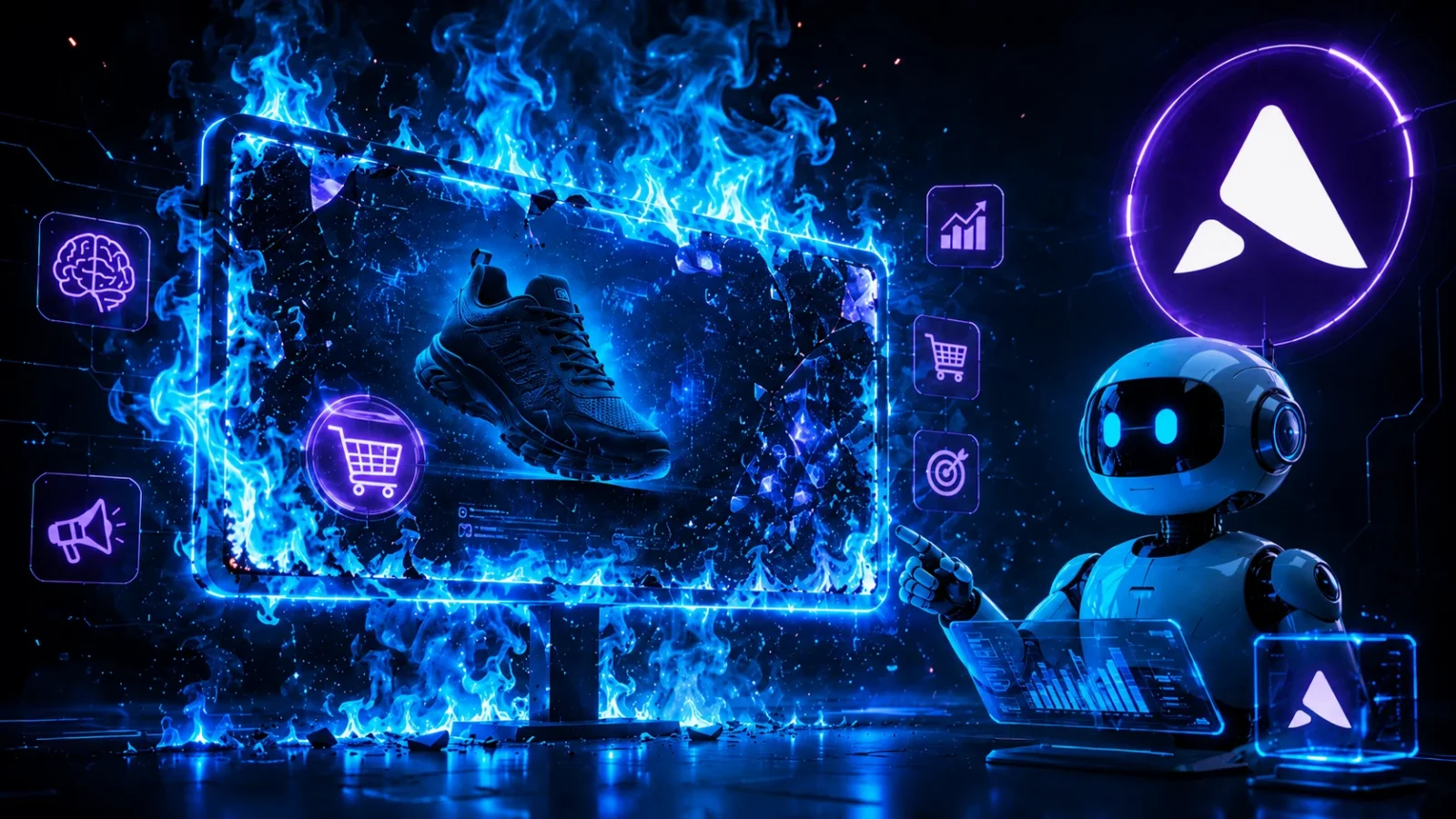
Artisan, the AI startup known for its sales assistant Ava, walked into one of those controversies that perfectly illustrate the new minefield of artificial intelligence: creativity, marketing and copyright. The company reached an agreement with KC Green, creator of the famous “This is fine” meme, after using a similar version of the character in ads in the United States.
Quick answer: what happened?
Artisan used art very similar to the “This is fine” meme to promote its sales AI. The creator complained publicly, accused the company of misuse, and a few days later the parties reached an agreement. The ads were pulled in New York and San Francisco.
What is Artisan?
Artisan is a startup focused on AI sales agents. Its best-known product is Ava, a kind of “AI BDR”, built to help companies find leads, do prospecting and speed up the sales funnel.
The idea is to sell an AI that works as part of the team, not just a support tool. This kind of solution is growing fast because companies want to automate repetitive sales tasks without expanding the human team as much.
Where the controversy started
The problem came from marketing. In bus and subway ads, Artisan reportedly used a recognizable version of the “This is fine” dog, sitting amid the flames. But instead of the original line, the ad said something like “my pipeline is on fire”, referencing sales chaos.
For anyone who works with the internet, the meme is practically cultural heritage. But a famous meme does not mean “free to use”. And that is the central point: AI startups must be very careful not to treat someone else creation as free campaign material.
Why does it matter?
The controversy shows an important shift. For a long time, tech startups used internet culture aggressively to grab attention. Now, with AI at the center of the debate, any use of art, character or visual style can become a bigger problem.
And there is a detail: AI companies already face criticism over training models with third-party content. So when an AI startup uses a recognizable work in advertising, the reaction tends to be even stronger.
AI marketing is under pressure
The Artisan dispute is not just about one ad. It is about the line between “creative reference” and appropriation. In a market full of companies trying to look bold, funny and viral, the line between grabbing attention and triggering a crisis got thinner.
For startups, the lesson is simple: using a famous meme may seem cheap and effective, but it can be costly for your reputation.
What changes for the market
The trend is for AI companies to be more careful with visual campaigns, characters, artistic styles and cultural references. Having good AI is not enough. The brand must also show maturity.
In the end, the agreement avoids a bigger fight, but leaves a clear message: in the AI world, trust is also built outside the product.
Frequently asked questions
Was Artisan sued?
The report mentions an agreement between the parties but does not detail a finalized lawsuit.
Who is KC Green?
He is the artist who created the “This is fine” meme, one of the best-known memes on the internet.
Why does this affect AI startups?
Because it reinforces the debate about the use of creative works, copyright and responsibility in the marketing of AI companies.
Did the ad come down?
According to the report, Artisan pulled the ads in New York and San Francisco after the agreement.
At DigitalRadar, we keep tracking not only the new AIs, but also the behind-the-scenes of how these companies are trying to win the market.

Related
Elion Estúdio: The Brazilian Startup Building Premium Websites “to Last”
Elion Estúdio is the Brazilian startup behind DigitalRadar. Hand-coded premium websites, its own products and a clear philosophy: "we don't build to…
EU Kids Act: Europe Proposes Banning Social Media and Chatbots for Under-15s
The most sweeping plan yet to protect children online lands in Brussels this Thursday: age-based access tiers, supervised accounts from 13 to…
The GTA 6 Hackers: From the Lapsus$ Teen to the CyberLeek Who Leaked the Map
GTA 6 is the most leaked game in history. In 2022 a Lapsus$ teenager posted 90 videos using a Fire Stick in…