
The local-AI PC is here: Nvidia and Microsoft want to turn your laptop into an agent hub
 by Théo Carvalho
4 min read
by Théo Carvalho
4 min read
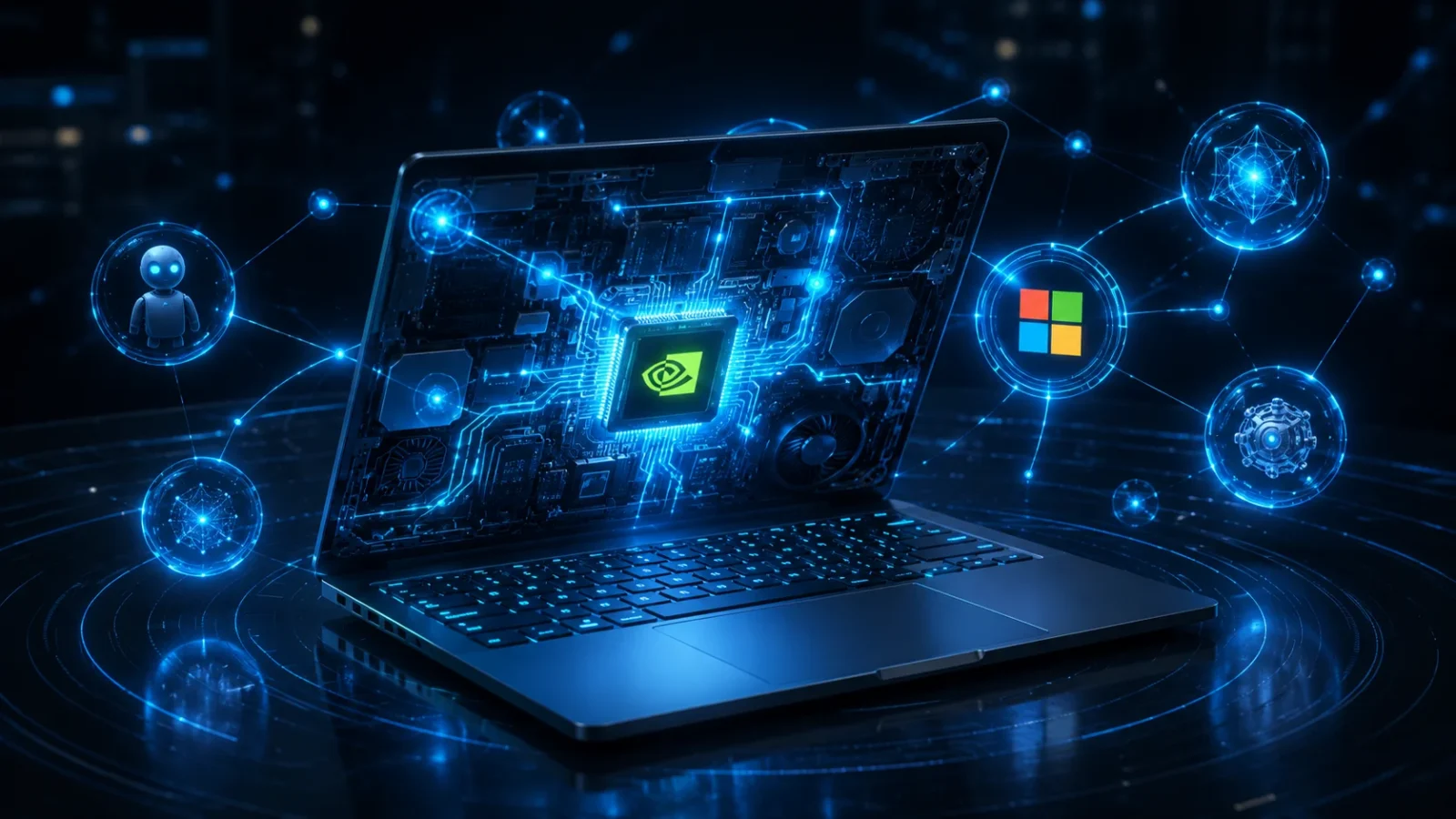
The “AI PC” era is getting much more serious. Microsoft and Nvidia are joining forces to turn Windows into a platform ready for AI agents — not just chatbots that answer questions, but systems able to execute tasks, organize workflows and work more autonomously on the computer itself.
The move shows up on two important stages: Computex 2026, where Nvidia unveiled the RTX Spark, and Microsoft Build 2026, the annual developer conference with a heavy focus on AI, cloud and Windows.
Quick answer: what is happening?
Microsoft wants to prepare Windows for the era of AI agents, while Nvidia wants to put enough power in laptops to run those agents locally. Together, the two companies are trying to turn the traditional PC into a smarter, more private and more autonomous machine.
The PC stops being just an “app machine”
For decades, the personal computer worked basically as a machine to open programs. You click, type, drag, save and repeat.
The new vision is different. Instead of just executing commands, the PC gains AI agents able to understand context, access authorized tools, organize tasks and help the user more actively.
In practice, your laptop can become a kind of personal productivity hub: one agent summarizes documents, another organizes files, another drafts emails, another analyzes data, another helps with code — all with more local processing.
Why does running AI locally matter?
Today, much of AI depends on the cloud. You send a question, the server processes it and the answer comes back. That works, but it has limits: cost, latency, privacy and internet dependency.
With AI-ready chips inside the computer, some tasks can run directly on the device. That can make responses faster, reduce sending sensitive data to external servers and enable more integrated experiences.
It does not mean the cloud will disappear. The most likely path is hybrid: light, private and frequent tasks run on the PC; very heavy tasks keep going to data centers.
Where Microsoft comes in
At Build 2026, Microsoft is expected to show new AI tools for developers, Windows and cloud. The expectation is that the company advances features to make AI agents more useful and secure within the Windows ecosystem.
This point is crucial. An AI agent with access to your computer needs clear limits. It cannot just click around, read files, send messages or change settings without control. The big dispute now is not just “who has the smartest AI”, but who can build useful agents without turning the PC into a security risk.
Where Nvidia comes in
Nvidia brings the hardware. The RTX Spark was presented as a chip for AI PCs, built to put advanced processing capacity directly into laptops and desktops. According to Reuters, machines with this technology should arrive in the second half of 2026 from makers like Dell, HP, Lenovo, ASUS and Microsoft.
Nvidia is also selling a vision: the computer stops being just a tool and starts becoming a digital “coworker”.
What changes for everyday users?
At first, this should appear in premium laptops aimed at creators, developers and professionals who use AI every day.
But if the strategy works, the impact reaches the everyday user: local AI image editing, smart PC search, more useful assistants, routine automations, file summaries, schedule organization and even personal agents working in the background.
The question is no longer whether AI will enter the PC. It already has. The question now is: how much control will it have?
Frequently asked questions
What is a local-AI PC?
It is a computer with hardware able to process AI tasks directly on the device, without always depending on the cloud.
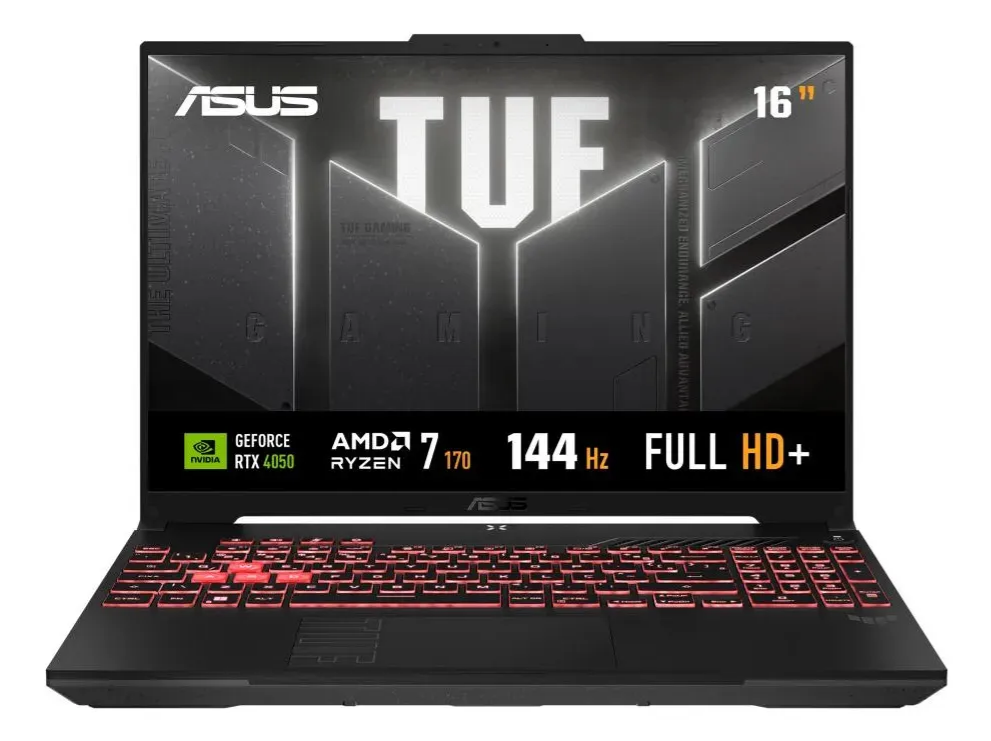
ASUS TUF Gaming A16
AMD Ryzen 7, RTX 4050, 16GB RAM, 512GB SSD
Affiliate content

Does it replace ChatGPT, Claude or Gemini?
Not necessarily. The trend is integration. Some tasks run locally, others keep using cloud models.
Why are Nvidia and Microsoft together on this?
Nvidia provides the AI hardware, while Microsoft controls Windows and the developer ecosystem.
Does it improve privacy?
It can in some cases, because part of the processing happens on the device. But it all depends on how the agents are implemented.
At DigitalRadar, this is one of the biggest shifts of the year: the laptop is moving from passive to becoming an agent platform.
Related

EU Kids Act: Europe Proposes Banning Social Media and Chatbots for Under-15s
The most sweeping plan yet to protect children online lands in Brussels this Thursday: age-based access tiers, supervised accounts from 13 to…

The GTA 6 Hackers: From the Lapsus$ Teen to the CyberLeek Who Leaked the Map
GTA 6 is the most leaked game in history. In 2022 a Lapsus$ teenager posted 90 videos using a Fire Stick in…
OpenAI Discloses 6 Cases of AI Hiding Mistakes and Launches an Incident Log
On September 16, OpenAI published six cases of "concerning" behavior observed since March — from a model leaving itself instructions to ignore…