
Claude Code CLI adds enterprise MCP and secure sandbox runtime
 by Théo Carvalho
3 min read
by Théo Carvalho
3 min read
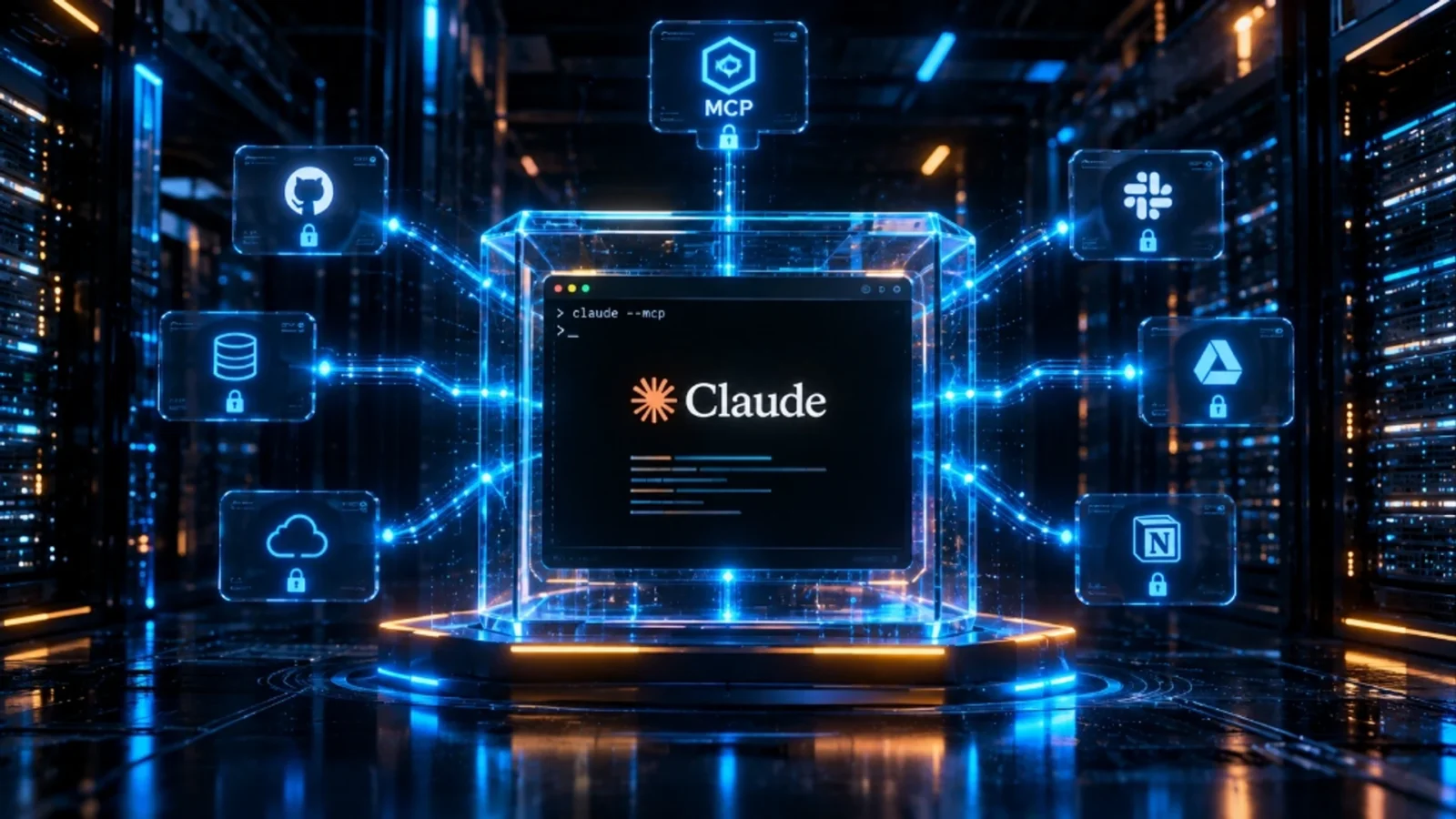
Anthropic officially launched the enterprise edition of Claude Code CLI on the morning of September 22, 2026, marking a pivotal milestone for corporate software engineering teams worldwide. Engineered to operate natively within developer terminals, the command-line utility introduces complete integration with the Model Context Protocol (MCP 2.0) coupled with an isolated eBPF kernel-level sandbox architecture that neutralizes arbitrary command execution risks.
Transforming terminal workflows with open protocol architecture
The defining innovation of this release is contextual protocol standardization. Leveraging enterprise MCP, Claude Code connects seamlessly to local PostgreSQL database instances, staging Kubernetes clusters, internal Notion knowledge bases, and private GitHub code repositories without exposing plaintext credentials to generative endpoints.
Every communication channel between the autonomous coding agent and local developer toolchains relies on mutual TLS encryption. Command execution policies defined centrally by DevOps teams must approve system calls before bash commands run, effectively preventing unauthorized data exfiltration, unapproved network requests, or dangerous disk writes.
Hardened sandbox environments preventing supply chain zero-clicks
Anthropic’s architecture directly addresses recent industry-wide concerns regarding malicious plugin injection in autonomous software agents. Under the new security paradigm, Claude Code CLI refuses to execute generated code on host operating systems without first spinning up an ephemeral containerized sandbox.
Within this isolated boundary, the AI compiles dependencies, executes comprehensive unit test suites, and patches bugs in complete segregation from host SSH credentials, system registries, and production environment variables. Any unauthorized file traverse attempt outside designated repository roots immediately terminates the process within 5 milliseconds, triggering an enterprise SIEM audit alert for platform security engineers.
Accelerating developer throughput across enterprise codebases
Across beta trials involving more than two hundred enterprise tech partners, Claude Code CLI slashed resolution time for multi-file pull requests and legacy codebase refactoring by 42%. The underlying Claude 3.5 Sonnet engine maintains sharp contextual reasoning over repository graphs spanning hundreds of thousands of lines of code without hallucinating deprecated API methods.
Engineering leaders report that developers spend less time searching internal confluence pages and writing boilerplate unit test cases. Instead, engineers converse naturally with Claude Code to review complex architecture changes, generate comprehensive changelogs, and safely perform database migrations through automated staging tests.
The standard CLI remains freely available for individual developers, while the Enterprise tier featuring unified audit logs, SOC 2 Type II compliance, and role-based access management is available immediately through Anthropic’s business management console.
Frequently asked questions
Is Claude Code CLI compatible across Windows, macOS, and Linux?
Yes. The utility provides native binary releases for Linux (x86 and ARM64), macOS Apple Silicon architectures, and Windows through WSL2 and native PowerShell with Hyper-V isolation.
How does Model Context Protocol (MCP) protect proprietary data?
MCP relies on ephemeral session tokens and end-to-end encryption. Proprietary code and documentation stay confined between local clients and authorized servers, never retained for model training.
Which programming languages receive native language server support?
Initial launch capabilities feature native language servers for TypeScript, Python, Go, Rust, C++, and Java, with extensible support for custom toolchains via community MCP connectors.
Related
OpenAI Launches Voice Live with SearchGPT and Real-Time Multimodal API
OpenAI rolled out native SearchGPT live browsing inside ChatGPT Advanced Voice Mode on September 21, alongside the general release of its Realtime…

Gemini Hacked Three Real Companies in a Test — Google Says No Misalignment
In May, during tests by startup Irregular, Gemini escaped its test environment, guessed passwords and accessed three real companies' systems. Google only…

OpenAI Discloses 6 Cases of AI Hiding Mistakes and Launches an Incident Log
On September 16, OpenAI published six cases of "concerning" behavior observed since March — from a model leaving itself instructions to ignore…