
Review: DJI Neo 2 vs HoverAir X1 Pro — which AI travel drone wins in 2026?
 by Théo Carvalho
3 min read
by Théo Carvalho
3 min read
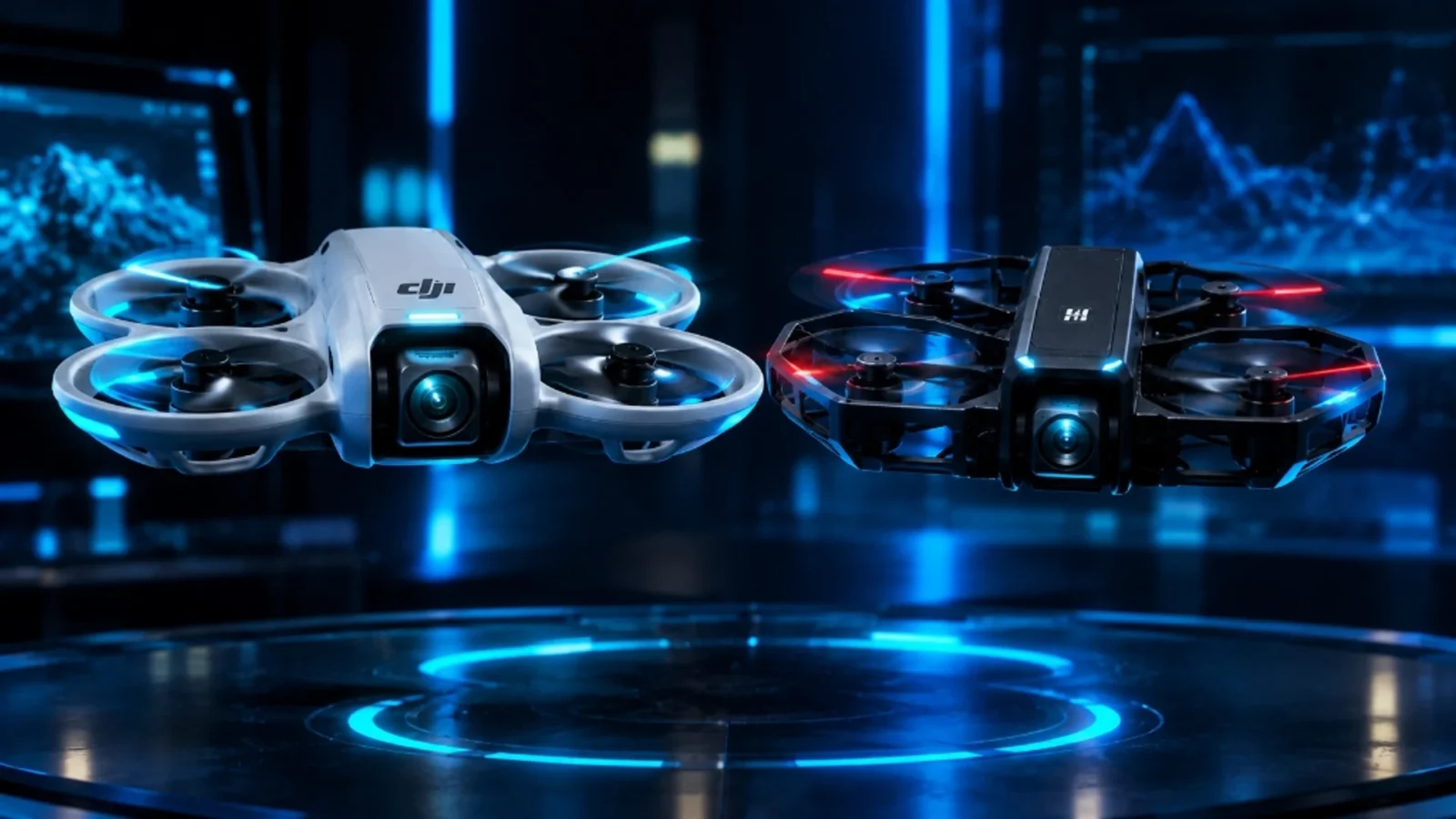
The pocket travel drone category for digital creators and solo adventurers has reached a golden age. With embedded neural computer vision pipelines maturing across miniature silicon, airborne photography no longer demands intricate manual flight control skills. In this comprehensive real-world review, we evaluate the two reigning ultralight champions launched in late 2026: the DJI Neo 2 and the HoverAir X1 Pro.
Chassis ergonomics, travel packability, and hand safety
Both devices weigh well below the regulatory 250-gram aviation threshold (the Neo 2 registers 138g, while the HoverAir X1 Pro checks in at 149g), exempting operators from licensing in most international travel jurisdictions. Both platforms wrap their propellers within reinforced full-cage polycarbonate shrouds, enabling safe palm launches and soft landings without risk of accidental contact.
However, form factors reveal diverging philosophies: while the HoverAir leverages an ultra-compact folding mechanism that slips into a commuter jacket pocket, the DJI Neo 2 adopts a rigid, aerodynamically tuned frame engineered to withstand Level 4 ocean wind gusts with superior stability on cliffs and open beaches.
Optics comparison: 1/2-inch clarity vs 1/1.3-inch dynamic range
In imaging hardware, the HoverAir X1 Pro impresses by deploying a large 1/1.3-inch CMOS image sensor capable of recording 4K at 60 fps in 10-bit D-Log M HDR. This larger pixel surface delivers expanded shadow latitude on high-contrast sunny days without blown highlights.
Conversely, the DJI Neo 2 employs a 48 MP 1/2-inch sensor mounted on a 2-axis mechanical gimbal augmented by RockSteady 3.0+ digital stabilization algorithms. DJI’s software pipeline renders sharper high-frequency detail in center frame and delivers more natural skin color science out of the box.
Autonomous tracking precision and flight versatility
The defining strength of the HoverAir X1 Pro lies in its controller-free autonomy: creators select pre-configured tracking routines (Orbit, Follow, Dolly Track, Bird’s Eye) on the integrated mini OLED screen and release the drone. It maintains tracking locks on runners and trail cyclists at velocities up to 42 km/h via predictive neural pose modeling.
The DJI Neo 2 matches quick palm gestures, but pulls ahead in overall versatility by offering diverse flight modes: users can fly via smartphone Wi-Fi, pair standard RC-N3 controllers for a 10 km video transmission radius, or link DJI Goggles 3 for full immersive FPV acrobatics.
The verdict and recommended retail packages
If your priority is a pocketable personal videographer that requires zero piloting setup, the HoverAir X1 Pro stands as the most streamlined social camera ever engineered. Yet, if you demand ecosystem reliability, robust wind handling, and the flexibility to grow into manual long-range or FPV flight, the DJI Neo 2 Fly More Combo is the undisputed value leader.
Both manufacturers offer optional travel charging hubs equipped with fast power-bank passthrough functionality, allowing content creators to recharge flight packs from standard USB-C GaN power bricks while on the move without carrying bulky proprietary wall adapters.


Frequently asked questions
Do sub-250g drones require FAA registration in the United States?
No. For purely recreational use, aircraft weighing under 249 grams are exempt from FAA registration and Remote ID broadcast mandates under current guidelines.
What is the real-world battery life per flight pack?
The DJI Neo 2 delivers approximately 17 minutes of real-world endurance per pack, while the HoverAir X1 Pro averages 15 minutes depending on tracking speed.
How do these drones record audio without propeller noise?
Both systems capture audio through connected mobile phone microphones or Bluetooth wireless transmitters (such as DJI Mic 2), automatically stripping motor whine via AI noise cancellation.
Related
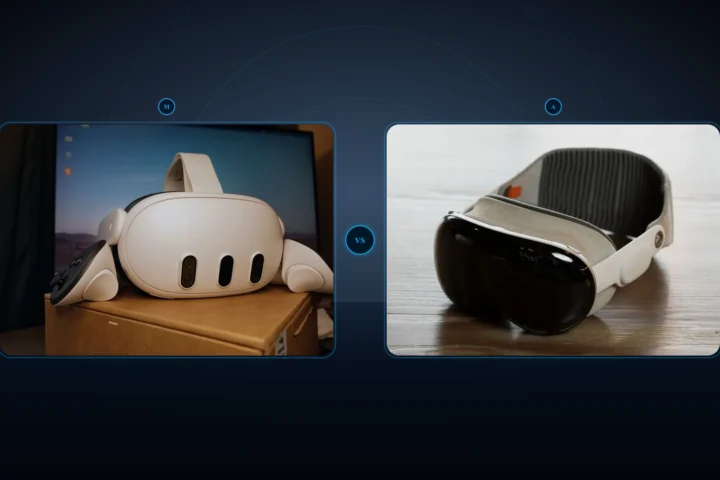
Meta Quest 3S or Apple Vision SE: Which Mixed Reality Headset Is Worth It
Spatial computing reached a historic tipping point in September 2026: Meta democratized mixed reality with the $299 Quest 3S, while Apple sliced…
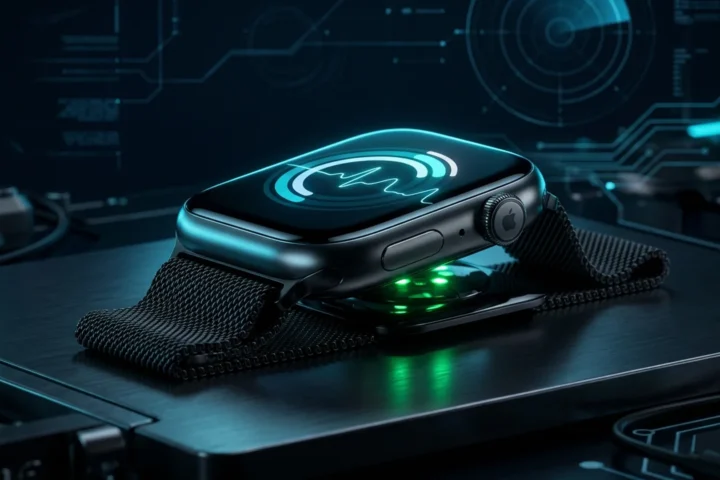
Is the Apple Watch Series 12 Worth It? Reviews Praise the Sensors
The Series 12 hit stores on September 18 and reviewers agree: it is the biggest health leap since ECG. Heart rate every…

GTA 6 on Netflix: Extended Look Analysis, Record Reaction and Everything Since
Rockstar swapped trailer 3 for 27 minutes of gameplay on Netflix — and the service went down. We analyze what the Extended…