
Xiaomi 18 Ultra Launches with Leica Liquid Lens and 6,200mAh Battery
 by Lucas Almeida
3 min read
by Lucas Almeida
3 min read
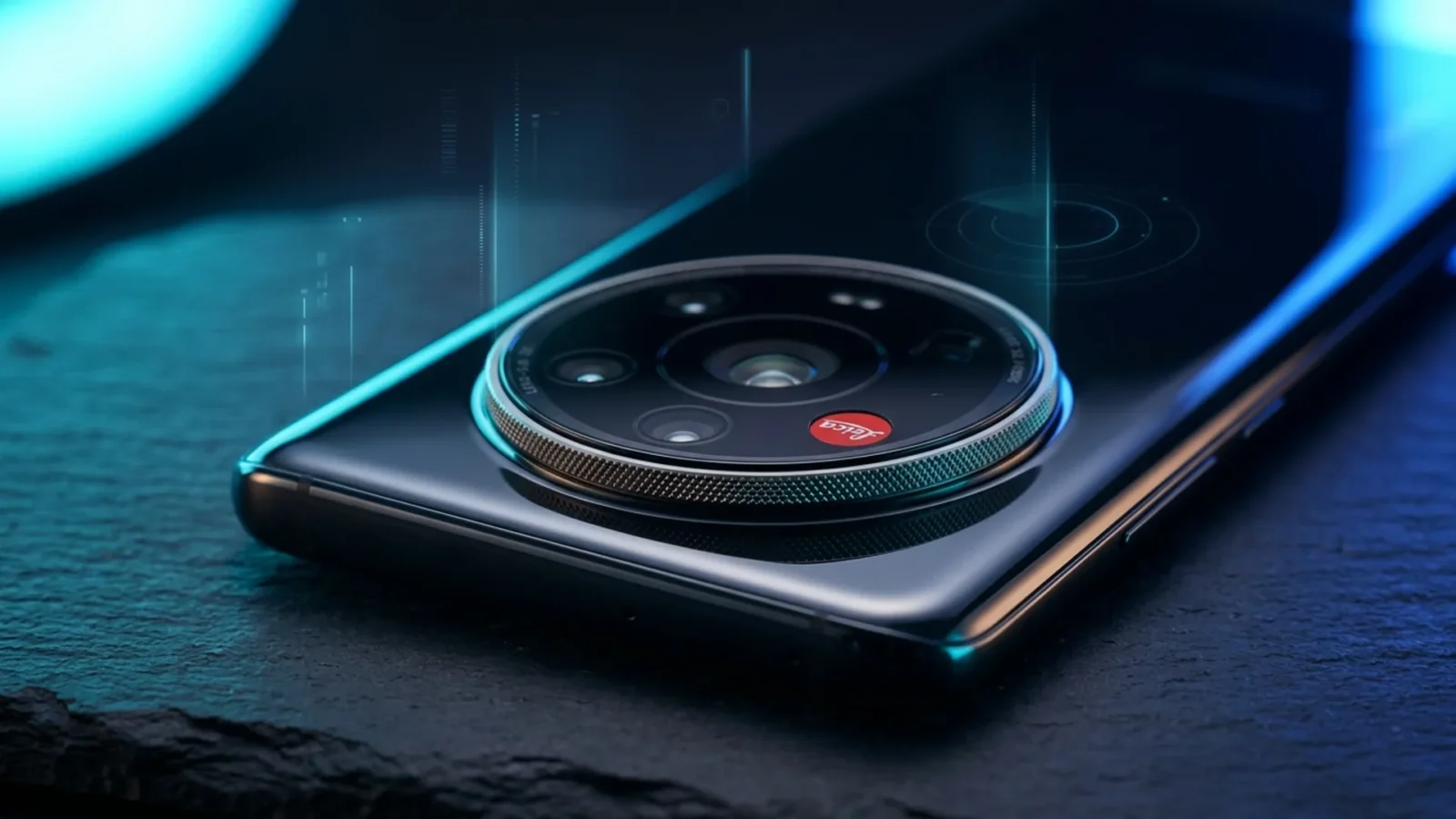
On September 21, 2026, Xiaomi launched its flagship technological statement for international territories: the Xiaomi 18 Ultra. Engineered specifically for demanding mobile photographers and power users who refuse battery anxiety compromises, the handset expands on the brand’s long-term partnership with optics titan Leica. Anchored by an ultra-fast liquid periscope zoom module and an oversized 1-inch main sensor, the ceramic-clad device packs an expansive 6,200mAh silicon-carbon battery with 120W HyperCharge capability.
Quick answer: what sets the Xiaomi 18 Ultra apart?
While industry peers increasingly rely on aggressive computational smoothing, Xiaomi focuses on physical optical excellence: the Leica Summilux lens system features a continuous 10-blade mechanical aperture (f/1.42 to f/4.0), while the periscope telephoto relies on electromechanical fluid lens actuation to shift instantaneously between 5cm macro close-ups and 3.2x-to-10x continuous optical magnification.
The silicon-carbon advantage: 6,200mAh inside 8.9mm
While Apple and Samsung continue to cap flagship capacities around the 5,000mAh ceiling due to internal volumetric constraints, Xiaomi leveraged 4th-generation silicon-carbon anode chemistry:
- 24% higher energy density: the chassis measures a sleek 8.9mm while holding an expansive 6,200mAh cell;
- True two-day endurance: real-world mixed usage tests demonstrated over 18 hours of active screen-on runtime;
- 120W wired and 50W wireless charging: recharges the battery from 0% to 100% in 23 minutes using the bundled GaN brick.
Comprehensive spec sheet: Xiaomi 18 Ultra vs Flagship Rivals
| Specification | Xiaomi 18 Ultra | Apple iPhone 18 Pro Max | Samsung Galaxy S26 Ultra |
|---|---|---|---|
| Display | 6.73″ 2K OLED LTPO 1-120Hz, 3,200 nits | 6.9″ Super Retina XDR, 120Hz | 6.8″ Dynamic AMOLED 2X, 120Hz |
| Platform Chip | Qualcomm Snapdragon 8 Gen 5 (3nm) | Apple A20 Pro | Snapdragon 8 Gen 5 for Galaxy |
| Main Camera | 50MP Sony LYT-950 1″, Leica f/1.42-f/4.0 | 48MP Fusion (Variable Aperture) | 200MP ISOCELL HP2 |
| Telephoto Lens | 50MP Liquid Periscope (3.2x to 10x continuous) | 48MP Tetraprism (5x fixed) | 50MP Periscope (5x fixed) |
| Battery / Power | 6,200mAh (120W wired / 50W wireless) | ~4,700mAh (35W wired) | 5,000mAh (45W wired) |
| Starting Price | From $1,199 / €1,299 | From $1,299 | From $1,299 |
Global pricing and availability
The Xiaomi 18 Ultra retails globally starting at $1,199 (€1,299 in European markets) for the 512GB storage configuration. Consumers and tech enthusiasts can secure orders through official retail channels including Amazon and certified online marketplaces:
Why this matters to you
For years, mobile videographers and photojournalists had to accept an aggravating compromise: superior optical quality always came paired with abysmal battery life that demanded tethering to external power banks by late afternoon. The Xiaomi 18 Ultra successfully bridges mechanical German glass engineering with modern battery materials science. If your workflow involves 4K field capture, extended travel, or outdoor content creation, it stands as one of the most capable Android smartphones ever built.
Frequently asked questions
How does the Leica liquid lens operate?
The periscope chamber encloses an optical conductive fluid manipulated by microscopic electrical impulses. This alters the focal surface curvature in milliseconds, functioning seamlessly as both an extreme macro lens and a long-range telephoto without sluggish moving gear assemblies.
How many software updates will the phone receive?
Xiaomi commits to five major Android and HyperOS version upgrades alongside six years of bi-monthly security updates.
Does the 120W charging brick come inside the box?
Yes. International retail units include the 120W GaN wall adapter and a 6A-rated charging cable directly inside the standard packaging.
At DigitalRadar, we examine the mobile hardware driving photographic innovation. Stay on the radar.
Related
Galaxy S26 FE or iPhone 17: Which “Almost-Flagship” to Buy in September 2026
With the iPhone 18 Pro pricier and the 17 Pro discontinued, the matchup of the moment is between the "almost-flagships": the Galaxy…
iPhone 18 Pro Hits Stores With Lukewarm Demand: Buy Now or Wait?
The iPhone 18 Pro and Pro Max reached stores this Friday with weaker pre-orders than the 17 Pro. We gathered delivery windows,…
iPhone Duo vs Xiaomi 18 Fold: Apple’s First Foldable vs China’s “Mid-Fold”
Apple launched its first foldable, the iPhone Duo, two days after Xiaomi unveiled the 18 Fold with its own chip. We compare…